







Search Results for: Japanese Translation
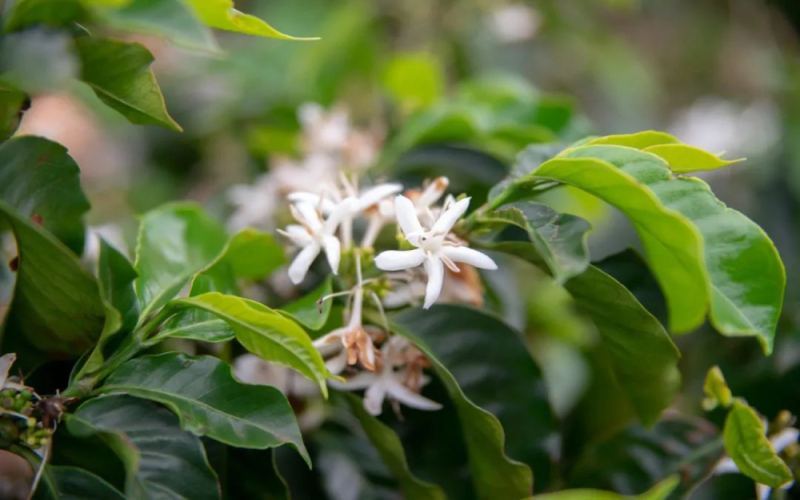
The Origin of the Geisha Coffee Name and the History of Its Variety Development: The Evolution of the Chinese Translation from Gesha to Guixia
Since winning the Panama BOP competition in 2004, Geisha coffee has firmly held the top spot in the specialty coffee world, and its elegant, refreshing flavor has captivated countless coffee lovers. However, many people discover when researching that this variety has another Chinese name — 艺妓 coffee beans. Both names refer to the same Gesha variety, but why are there two translations? What historical origins and naming considerations lie behind this? This article will trace the complete story of Geisha, from its discovery on Ethiopia's Gesha Mountain to its introduction to Panama and rise to fame, and explain the reasons and significance behind the translation "瑰夏" replacing "艺妓." At the same time, the article will also share Front Street Coffee's brewing recommendations and flavor description for Geisha from the Boquete region of Panama, for readers who are new to this variety. [more…]

Coffee festival recruitment for Japanese translators offers coffee beans as payment, sparking both jokes and heated discussion online
Recently, at a coffee festival in Jiangmen, Guangdong, a coffee bean stall put up a notice recruiting a Japanese translator, claiming the payment would be coffee beans, which sparked widespread discussion online. In photos taken by passersby, someone had written "Shameless" in large characters in the blank space on the recruitment board. Netizens had mixed views: some joked, "Is it pure gold coffee beans?", while others speculated that the stall owner originally intended to recruit volunteers and thank them with coffee beans. The poster revealed that the stall owner might not understand Chinese and was unaware of the message. This article reviews the course of the incident and the views of all parties, and retains recommendations related to the Front Street brand. [more…]
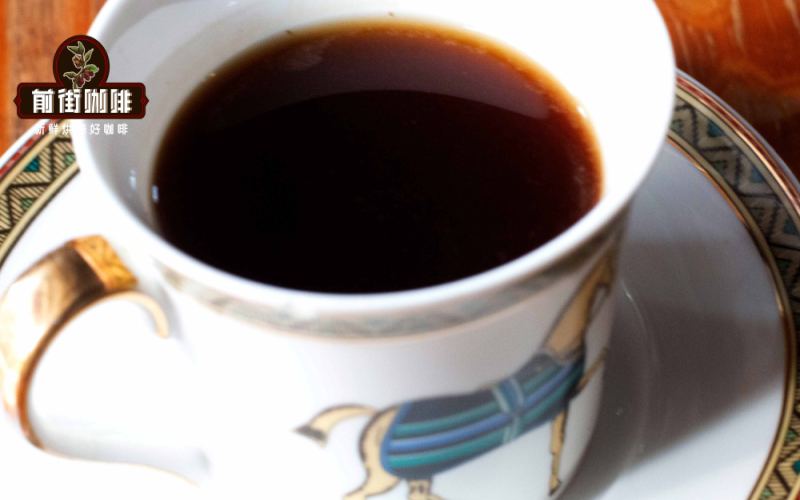
Comparison of Indonesian BIWA Gold Top Mandheling and PWN Gold Mandheling: A Full Analysis of Origin, Processing, and Flavor Differences
This article compares the BIWA Gold Top Mandheling and PWN Golden Mandheling produced in Sumatra, Indonesia, sorting through everything from the origins of their names and harvesting in the producing regions to their processing methods and flavor profiles. Both beans come from the Lintong region and undergo semi-washed processing and multiple rounds of hand sorting, but they differ in trademark ownership and quality control details, ultimately presenting distinct aromas, body, and suitable brewing methods. The article also specifically introduces Front Street Coffee's Indonesia Golden Mandheling BIWA-Gold Top, helping coffee enthusiasts understand the differences between the two. [more…]
From Blue Mountain to Geisha: The Geographic, Varietal, and Human Logic Behind Coffee Bean Naming
Coffee has become a daily beverage, second only to petroleum in global trading volume. As domestic coffee culture continues to grow, specialty coffee has gradually become the core selling point of cafés, with beans from different origins dazzling the eye. But have you ever wondered where these names actually come from? Blue Mountain, Yirgacheffe, Geisha, Mandheling… behind each name lies a clue of geography, variety, or history. This article systematically sorts out the common naming methods for coffee beans, covering multiple dimensions such as mountains, countries, production regions, varieties, ports, companies, ethnic groups, and translation, helping you understand the ins and outs of coffee names, so that next time you order, you can be a little more informed. [more…]
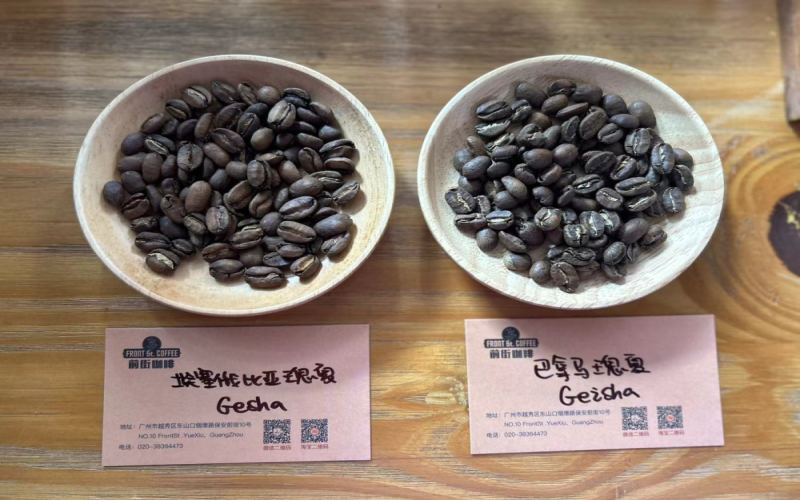
Geisha or艺妓? A Complete Flavor Analysis of Colombian Specialty Coffee Sun-Dried and Washed Beans
In recent years, Geisha coffee beans have gradually entered the public eye, and more and more coffee enthusiasts have begun to look up information about them. During their searches, many people have discovered that Geisha also has a Chinese nickname—"Geisha coffee beans." Where exactly did these two names come from? Do they refer to the same variety, Gesha? This article will trace the naming origins of Geisha, the history of the variety's spread, and how it rose to fame at Hacienda La Esmeralda in Panama. At the same time, we will also introduce the flavor differences between Geisha/Geisha beans under natural and washed processing methods, and recommend representative products such as Front Street Coffee Emerald Red Label, Green Label, and Hacienda La Esmeralda Geisha, to help you find the cup that best suits your taste. [more…]

What Are the Differences Between Ice Drip, Cold Brew, and Iced Coffee? An Analysis of the Principles and Common Types of Cold-Extracted Coffee
Cold brew coffee has gained great popularity in recent years, but the terms ice drip, cold brew, and ice brew often confuse people. This article starts from the conceptual origins, sorts out the broad and narrow definitions of cold brew coffee, traces the development of ice drip coffee from Dutch sailors to Japanese equipment brands, and explains the origin of the term ice brew. At the same time, it shares Front Street Coffee's bean selection approach and specific parameters when making cold brew coffee, helping coffee enthusiasts clarify the classifications and find a low-temperature extraction solution that suits their taste. [more…]

Heytea's comprehensive English translation of overseas store menus sparks controversy, disappearance of Chinese leaves Chinese consumers dissatisfied
Recently, the Heytea store in Southampton, UK, replaced its menu with an all-English version, sparking strong dissatisfaction among overseas Chinese consumers. The original poster pointed out that after all Chinese product names disappeared, ordering became difficult, and even Chinese employees made mistakes because they were not accustomed to the new menu. Subsequently, netizens discovered that multiple overseas stores in London, New York, Sydney, and other locations had also switched to all-English menus, and the official app also removed the language selection option, instead displaying based on location. Although some people believe this is catering to localization, more people criticize the move for diluting the brand's Chinese symbols and harming the ordering experience of overseas Chinese. Heytea customer service did not respond directly, and some consumers said they might spontaneously boycott it. [more…]
Where Do the Names Geisha and Yiji Come From? A Full Analysis of the Variety's Origins, Its Rise to Fame in Panama, and Pour-Over Parameters
At the 2004 Best of Panama (BOP) competition, a previously unknown variety won first place with a record-breaking score, forever changing the landscape of specialty coffee—it was the Gesha. Many people wonder upon first encountering it: why is it also called "Geisha"? Where did these two Chinese names come from? This article follows the historical thread, tracing the complete journey of Gesha from being collected on Gesha Mountain in Ethiopia, passing through African research stations, settling in Panama, and then gaining fame when Hacienda La Esmeralda entered it independently in competition. It also explains the origins and trade-offs of the two translated names "Geisha" and "Guixia," and includes Front Street Coffee's pour-over recommendations and flavor descriptions for Gesha from the Boquete region, for beginners to reference. [more…]
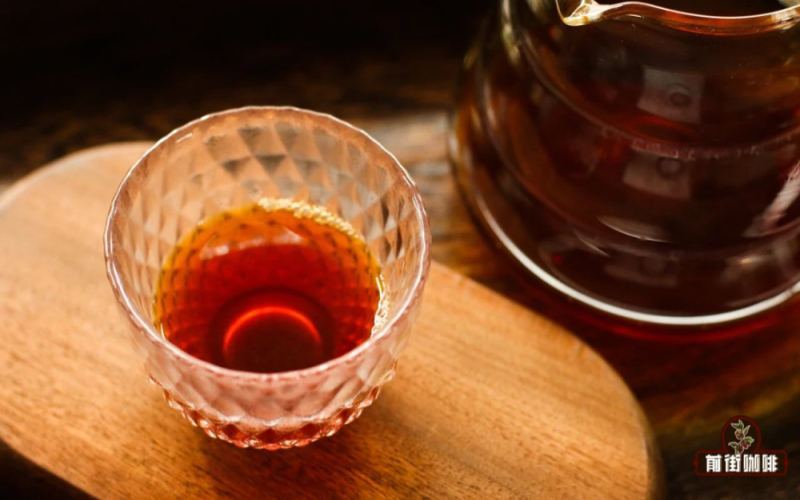
Tracing the Origins of the Geisha Coffee Variety: The Legendary Journey from Ethiopia's Geisha Mountain to Panama's Hacienda La Esmeralda
Is it Geisha or Gesha? This variety, hailed as the new king of specialty coffee, originated in the Geisha Mountain Kaffa forests of southwestern Ethiopia, but rose to fame at Hacienda La Esmeralda in Panama. From being collected in 1931 for disease-resistance research, to winning the BOP competition in 2003, to being crowned at the SCAA evaluation in 2005, Geisha has traveled a long and winding road. This article will comprehensively sort out the origin of the Geisha variety's name, its historical spread, flavor characteristics, origin terroir, and Front Street Coffee's roasting and brewing recommendations, taking you through the full story behind one of the world's most expensive coffees. [more…]

Are Cold Brew and Cold Drip the Same Coffee? A Clear Breakdown of Cold Brew and Cold Drip Classifications
When searching for iced coffee in summer, terms like cold brew, ice drip, ice-brewed, cold steep, Dutch coffee, and Kyoto coffee often leave people bewildered. In fact, these names all revolve around low-temperature extraction, yet there are differences in craftsmanship and semantics between them. This article starts from the broad concept of cold brew coffee, sorts out the two main paths of immersion and drip filtration, explains why ice-brewed coffee has the vaguest definition, and traces the origins of Dutch coffee and Kyoto coffee. It will also share Front Street Coffee's approach to bean selection when making low-temperature extracted coffee, helping coffee enthusiasts clarify concepts and choose the right flavor. [more…]

Types of Iced Coffee | What are the similarities and differences between iced brewed coffee and cold brew coffee? What is the origin of cold brew and ice drip? Which tastes better, cold brew or ice drip?
For more specialty coffee knowledge, please follow: Front Street Coffee (Frontsteet Coffee). Front Street has noticed that on the path of self-learning coffee, what sometimes troubles everyone is not those complex techniques or parameters, but that whenever you search for a professional term, it always extends into a whole lot of lengthy [more…]
How exactly do you tell cold brew, ice drip, and iced brewed coffee apart? A full analysis of the origins of Dutch coffee and Kyoto coffee
Many coffee enthusiasts encounter a common confusion while self-studying: when searching for cold brew coffee, they always come across a bunch of terms that look similar yet are all different—ice drip, ice brewed, cold steep, Dutch coffee, Kyoto coffee—leaving people baffled. Do these names actually refer to the same thing, or do they each have different craftsmanship and history? This article starts from the broad concept of cold brew coffee, sorting out layer by layer the difference between cold steep and ice drip, tracing the origins of the two alternative names Dutch coffee and Kyoto coffee, and analyzing the true meaning of the term ice brewed. If you've also been dizzied by these terms, why not follow Front Street and clarify them all thoroughly together. [more…]
A Complete Guide to Cold Brew, Ice Drip, and Iced Coffee: Brewing Principles, Historical Origins, and Front Street Coffee's Cold Brew Practical Parameters
In the family of cold-extracted black coffee, the three names cold brew, ice drip, and ice brew often confuse people. What exactly is the difference between them? Why is ice drip also called Dutch coffee or Kyoto coffee? How can you make cold brew coffee so that it is consistently good? This article, from the perspective of Front Street, sorts out the definitions, historical context, and brewing logic of these three coffees, and includes the complete parameters and step-by-step instructions for Front Street Mozart cold brew, helping you understand the ins and outs of cold-extracted coffee in one go. [more…]
Complete Analysis of Huakui and Geisha Varieties and Origins: The Origins of the Translations Hambela and Geisha, and a Comparison of Their Flavor Differences
Recently, a video conflated Huakui coffee beans, the Hambela production region, and the Geisha variety, claiming that the three can be equated. Is this really the case? This article will trace the spread of the Geisha variety from Geisha Mountain in Ethiopia to Hacienda La Esmeralda in Panama, clarify the administrative affiliation of Hambela as a sub-region of Guji, and restore the full story of how Huakui coffee beans were named after winning the 2017 TOH. At the same time, Front Street Coffee will, through cupping experience, compare the flavor differences between small-bean Huakui and regular Huakui, and analyze the essential differences between Geisha and Huakui in their main flavor profile, helping coffee lovers build a clear understanding of varieties and production regions. [more…]

Ethiopia Hambela Woreda Huakui Coffee: A Complete Analysis from Variety Traceability to Roasting and Brewing
Huakui coffee quickly rose to fame after winning the TOH championship in 2017, but many enthusiasts often mistake it for Geisha. In fact, Huakui is a sun-dried heirloom variety produced by the Buku Abel processing station in the Hambela region of Sidama, Ethiopia, and is labeled as Hambella on foreign jute bags. This article will start from the definition of the variety, clarify the differences between Huakui and Geisha, sort out the origin of Huakui's name, its production area range, the meaning of its number, and the independent status of small-bean Huakui, and include Front Street Coffee's roasting curve and pour-over parameters to help readers fully grasp the background and brewing points of this bean. [more…]
The Origin of the Geisha Coffee Name: A Variety Legend from Geisha Mountain in Ethiopia to Hacienda La Esmeralda in Panama
Geisha is one of the most highly regarded varieties in today's specialty coffee world, having won over countless coffee lovers with its complex flavors woven from floral notes and tropical fruits. This variety originated in the Geisha Mountain Kaffa forests of southwestern Ethiopia, yet rose to fame through its discovery at Hacienda La Esmeralda in Panama. From being collected and recorded as T2722 in 1931, to winning first place in the BOP competition in 2003, and then stunning the world at the SCAA evaluation in 2005, Geisha has traveled a long and winding road. This article will provide a complete overview of the origin of the name Geisha, the historical spread of the variety, the terroir advantages of the Boquete producing region, and Front Street Coffee's professional recommendations for roasting and brewing, guiding you to a comprehensive understanding of this new king among specialty coffees. [more…]
Cold Drip, Cold Brew, and Iced Brew: A Detailed Guide to the Process Differences of Low-Temperature Coffee Extraction and Five Handcrafted Bean Selections
In the iced coffee family, there are many names—cold brew, ice drip, iced brewed, cold steeped, Dutch coffee, Kyoto coffee—that often leave people bewildered. This article starts from the broad concept of cold brew coffee, sorts out the two major low-temperature extraction paths of immersion and drip filtration, traces the origin of Dutch coffee, the process by which Japan's Hanabusa Coffee invented the three-layer ice drip pot, and the emphasis on the brewing and aging step behind the term "iced brewed." The article also presents five Front Street single-origin beans suitable for making iced brewed coffee, covering Yirgacheffe, Kenya, Panama Butterfly, Costa Rica Mozart, and Strawberry Candy Geisha blend, explaining each one's origin, altitude, variety, and processing method, and noting the flavor performance of medium-light roasts in cold brew. [more…]

Flavor Analysis of Geisha vs. Geisha: Variety Characteristics, Hacienda La Esmeralda Grading, and Comparison with Candlelight Mango
Geisha and "Yiji" are actually the same coffee variety, just with different translated names—mainland China mostly calls it Geisha, while Hong Kong and Taiwan use the Japanese transliteration "Yiji." This Arabica variety is highly sought after for its floral aroma and lingering flavor, but low yields, weak disease resistance, and difficult management have kept prices consistently high. For beginners wanting to try the classic Geisha flavor profile, Front Street Boquete Geisha is a good entry-level choice, featuring citrus aromas, honeyed sweetness, and an oolong tea-like quality. Panama's Hacienda La Esmeralda further classifies Geisha into Red Label, Green Label, and Blue Label, with Red Label being the highest quality and Green Label emphasizing its signature flavor. This article also compares the flavor differences between Candlelight and Geisha to help enthusiasts clarify their choices. [more…]

The Origin Legend and Extraction Mechanism of Cold Brew Coffee: Clarifying the Concept of Cold Brewing and a Making Guide
When searching for iced coffee in summer, names like ice drip, ice brew, cold brew, Dutch coffee, and Kyoto coffee always leave people bewildered. What exactly is the difference between these terms? This article starts with the broad concept of cold brew coffee, sorts out the historical origins and extraction principles of ice drip coffee, clarifies the precise meaning of ice brew coffee, and, using Front Street Coffee's store practice as an example, introduces in detail the equipment structure, parameter settings, and operating procedures of ice drip coffee, as well as the flavor directions of several types of coffee beans suitable for making ice drip, helping coffee enthusiasts clarify the concepts and master the methods. [more…]

A Comprehensive Analysis of Sidamo Huakui Natural G1 Coffee: From Regional Origins to Flavor and Brewing Essentials
Ethiopia is not only about washed Yirgacheffe—the sun-dried Huakui from the Sidamo region is equally stunning. In this article, Front Street Coffee gives you a comprehensive look at the origin of the name Huakui, the terroir conditions of the Guji and Hambela regions, the sun-drying process at the Buku Abel processing station, and the evolution of Huakui from version 1.0 to 6.0. It also explains the G1 grade standards, heirloom variety characteristics, and brewing parameters, along with practical brewing suggestions from Front Street Coffee to help you better appreciate this bean's signature rose fragrance, peach notes, and black tea finish. [more…]